How it Works – Acquira Ventures
A Clear, Respectful Path to Selling Your Business
Selling a business is a major decision. For some owners, it is about retirement. For others, it is about reducing stress, planning a transition, protecting employees, or making sure the business they built continues in the right hands.
At Acquira Ventures, we believe the selling process should feel clear, respectful, and straightforward from start to finish. Our approach is designed to help owners move forward with confidence while protecting what matters most — your legacy, your team, your customers, and the value you have spent years building.

Whether you reach out to us directly or we contact you because your business fits our acquisition focus, the process follows a simple path.
Two Ways the Process Begins
1- You Contact Us
Some owners come to us because they are actively thinking about selling. Others simply want to explore their options, understand what their business may be worth, or begin planning for the future.
2- We Reach Out to You
In other cases, we contact business owners directly because their business appears to fit the types of companies we are looking to acquire.
No matter how the conversation begins, the next steps are designed to be simple and easy to follow.
Step 1: Initial Conversation
Everything starts with a conversation.
This is where we learn more about:
- your business
- your goals
- your timing
- whether you want a full exit or a gradual transition
- what matters most to you in a sale
For some owners, the priority is value. For others, it is preserving employees, protecting customers, maintaining the company name, or making sure the business stays in capable hands.
At this stage, there is no pressure. We are simply learning whether there is a strong fit.


Step 2: Confidentiality Comes First
Before any sensitive information is shared, we put confidentiality in place through a Non-Disclosure Agreement, or NDA.
This protects your business information and allows both sides to speak openly and seriously.
Once the NDA is signed, we can begin reviewing high-level information about the business.
Step 3: Business Review
Next, we review the business to understand how it operates and whether it fits our acquisition criteria.
This may include looking at:
- financial performance
- customer base
- operations
- staffing
- assets
- growth potential
- transition needs
This stage helps us determine whether moving forward makes sense for both sides.
Sometimes this step leads to more questions. Sometimes it leads to strong interest. Sometimes it reveals the timing or fit is not right. That is a normal part of the process.


Step 4: Owner Meeting
If there is mutual interest, we move into a direct conversation or meeting with the owner.
This can happen in person or virtually.
This step is important because numbers only tell part of the story. We also want to understand:
- how the business runs day to day
- what has made it successful
- where the opportunities are
- what kind of transition you want
- what a successful outcome looks like to you
For many owners, this is the point where the process begins to feel more real — and where trust begins to form.
Step 5: Preliminary Offer
If we decide to move forward, we present a preliminary offer.
This is the first serious business proposal and usually outlines:
- estimated purchase price
- general deal structure
- expected timing
- transition expectations
- major assumptions behind the proposal
This is not yet the full legal purchase agreement. It is the step used to make sure both sides are generally aligned before moving deeper into the transaction.

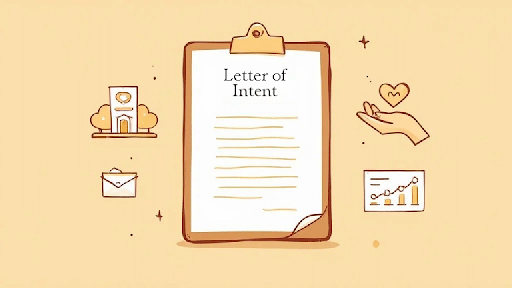
Step 6: Letter of Intent (LOI)
Once both sides agree in principle on the major terms, we move to a Letter of Intent, or LOI.
This is where the agreed framework is put into writing so the process can move forward in an organized and efficient way.
An LOI typically covers:
- purchase price
- payment structure
- due diligence period
- exclusivity period
- key conditions to closing
- major next steps
Offer vs. LOI — What’s the Difference?
This is one of the most common questions owners have.
The simple answer is:
- The preliminary offer is used first to open or advance serious negotiations.
- The LOI is used after the main terms are substantially agreed, so both sides can move into due diligence and legal documentation with clarity.
In simple terms:
Offer first. LOI after alignment.
Step 7: Due Diligence
After the LOI is signed, we begin due diligence.
This is the formal review stage where the business is examined in greater detail to verify the information provided and confirm the transaction makes sense.
Due diligence may include reviewing:
- financial statements
- tax records
- customer contracts
- leases
- payroll and employee matters
- licenses and compliance
- operational systems
- legal and risk items
Think of this as the stage where we make sure everything matches what has been represented.
Good due diligence protects both buyer and seller and helps create a smoother closing.

Step 8: Final Agreements and Approvals
As due diligence is completed, we work through the final items needed to prepare the transaction for closing.
Depending on the business, this may include:
- buyer entity setup
- financing coordination if needed
- landlord approval
- franchise approval
- licensing or permit transfers
- final legal documents
- closing coordination with attorneys and advisors
This is where the transaction becomes fully organized and ready for completion.
Step 9: Closing
Once everything is complete, we move to closing.
This is when:
- final documents are signed
- funds are transferred
- ownership officially changes hands
Some closings happen in person. Others are completed remotely.
By this stage, the major work has already been done, and both sides should know exactly what to expect.


Step 10: Transition and Handoff
A successful transaction does not end with signing.
After closing, there is usually a transition period to help the business continue smoothly. Depending on the deal, this may include:
- introductions to employees
- introductions to key customers or vendors
- operational training
- knowledge transfer
- short-term consulting or support from the seller
This step is especially important for owners who care deeply about preserving the business they built.
Why Owners Appreciate This Process
For many sellers, this matters just as much as the economics of the deal. They want to know that employees are respected, customers are taken care of, and the business continues with strength and stability.
It’s Clear
You should always understand where you are in the process and what comes next.
It’s Respectful
You have worked hard to build your business. That deserves a thoughtful and professional approach.
It’s Confidential
Sensitive business information is protected from the beginning.
It’s Practical
No unnecessary complexity. Just a clear path from initial conversation to closing.
It’s Built Around Fit
Not every business is the right fit, and not every timing is right. Honest conversations save time and create better outcomes.
It Values Legacy
For many owners, selling is about more than the transaction. It is about protecting what they built and transitioning it responsibly.
Simple Process Snapshot
Start the Conversation
We connect and learn about your business and goals.
Protect Confidentiality
We sign an NDA before reviewing sensitive information.
Review the Business
We evaluate the business at a high level.
Meet with the Owner
We discuss the business, priorities, and transition goals.
Receive a Preliminary Offer
We outline the main business terms.
Sign the LOI
We formalize the framework and move into exclusivity.
Complete Due Diligence
We verify the business in detail.
Finalize Documents and Approvals
We prepare everything needed to close.
Close the Transaction
Ownership officially changes hands.
Transition with Support
We help create a smooth handoff.
Ready to Start the Conversation?
If selling your business is becoming part of your future, the best first step is a simple conversation.
Whether you are actively ready to sell, planning for retirement, or just beginning to explore your options, we are here to help you understand the path forward.

Protect your legacy. Preserve what you built. Transition with confidence.
Call us: 1-877-557-4253
Email us: contact@acquiraventures.com